Considering the Orientation of a Space
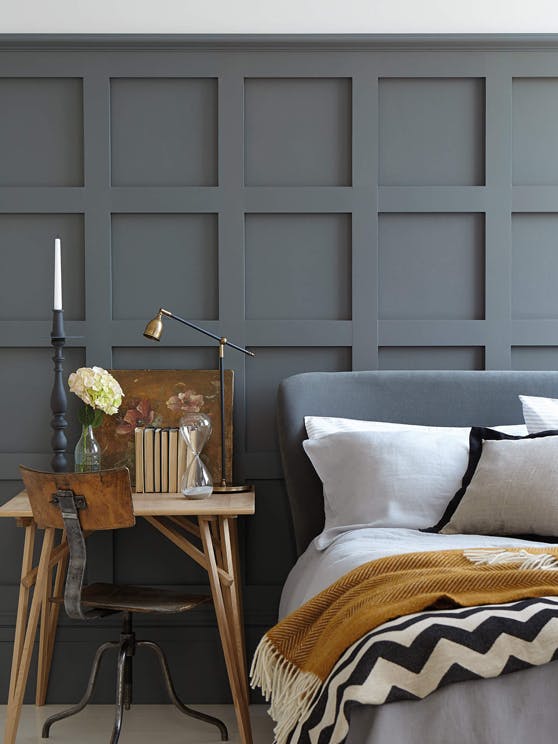
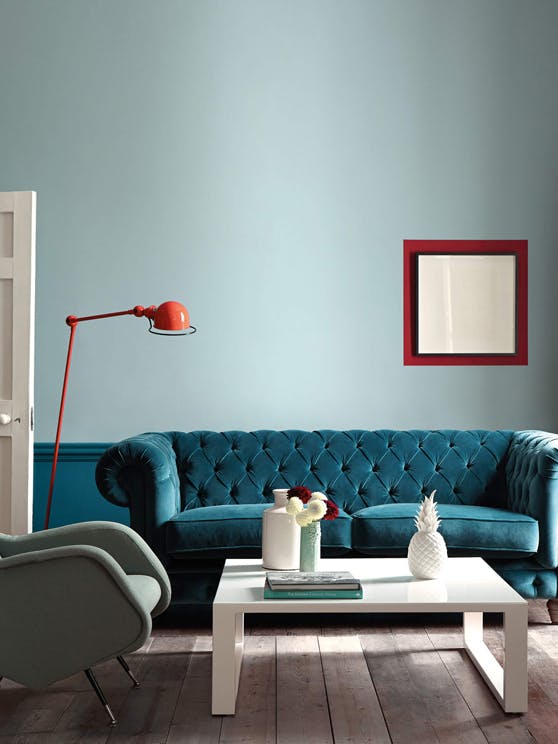
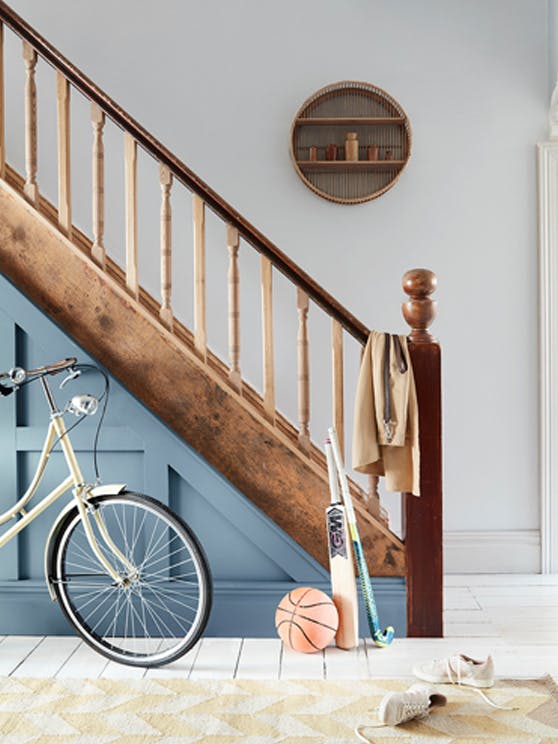
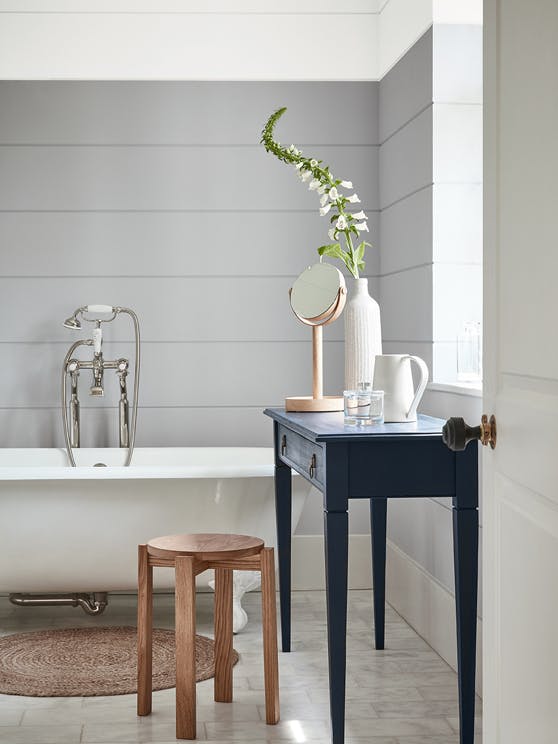
When selecting a shade for your home, the orientation of the room is a big consideration.
The amount and direction of light entering a room can completely alter the appearance of a colour. Once you have created a shortlist of options from our colour card, we always recommend sampling the colours in situ to ensure you select a colour that sits comfortably in your scheme.
Whether a space is bathed in natural light or has vastly changing light throughout the course of the day, the orientation of each room should be considered separately to ensure that you pick a shade that complements the space.
South Facing Rooms
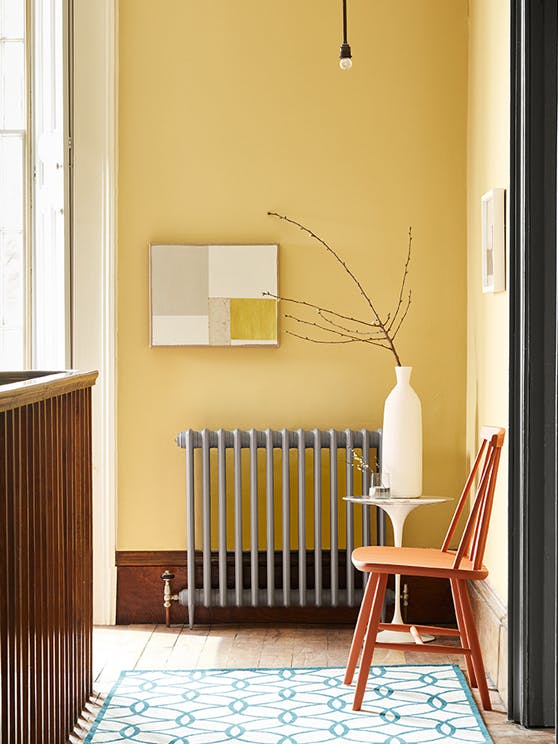
South facing rooms tend to experience warmer light, so colours can often appear more yellow. This means cooler whites such as French Grey - Pale or Gauze will read as more neutral whites. Warmer whites such as White Lead or First Light will appear quite cream in tone.
Strong, bold yellows like Yellow-Pink and Light Gold will radiate warmth, whereas dark blues like Marine Blue and Hicks' Blue can be used in place of greys and blacks to achieve a neutral scheme with more depth.
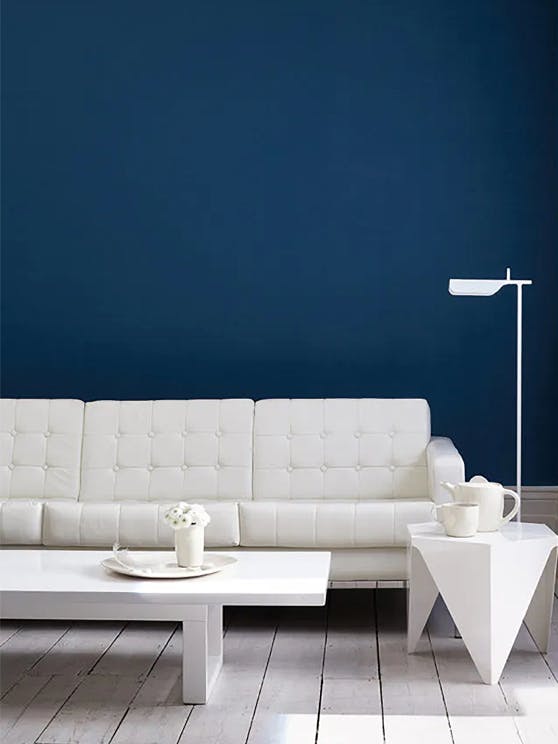
Wall: Royal Navy
North Facing Rooms
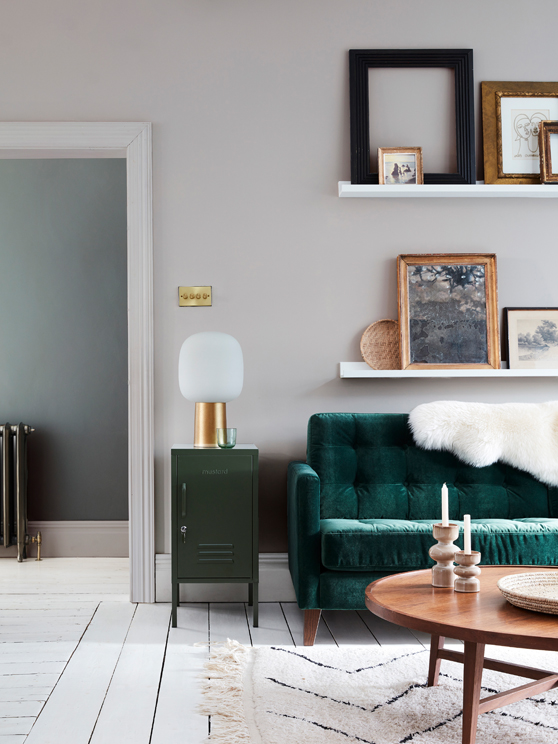
Colours in north facing rooms tend to appear consistently flatter and cooler than they would do bathed in natural light. Paler blues and greens may appear cold, but experiment with stronger green-blues such as Air Force Blue or Canton for a warming impact. If you're looking for something more neutral, shades with a pink or yellow undertone such as Rolling Fog or Stock provide an uplift when used in an all-over scheme.
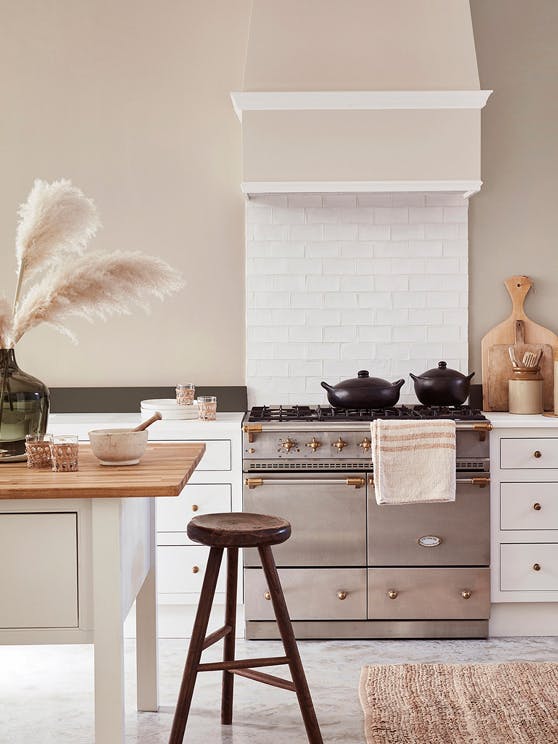
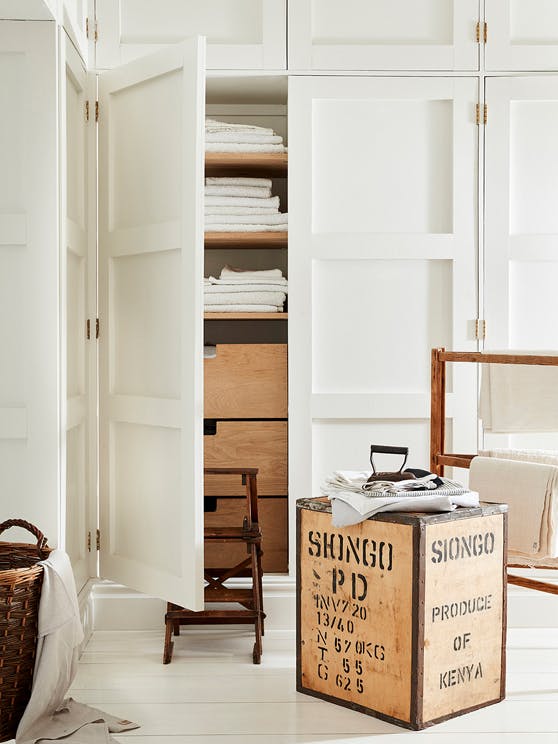
Woodwork & Walls: Linen Wash
West Facing Rooms
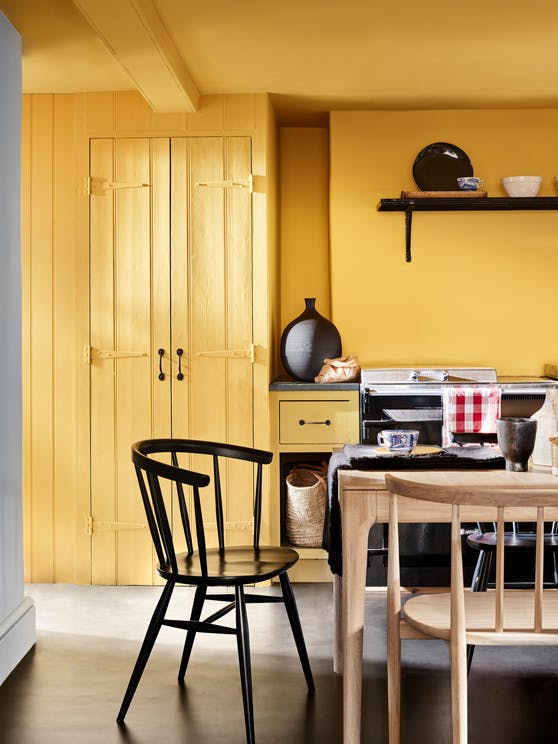
The natural light in west and east facing rooms changes dramatically throughout the day, so the function of the room is an important factor. Maximise the changing light by varying the strength of shades used within the neutral colour scheme. The Colour Scales families provide four strengths of the same pigment which can be used in combination for a harmonious scheme. Utilise bold accent colours on architectural features or woodwork for a strong highlight.
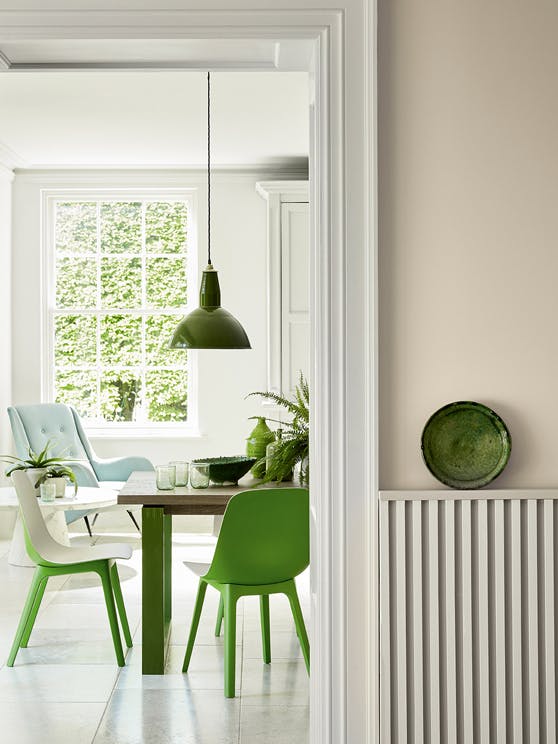
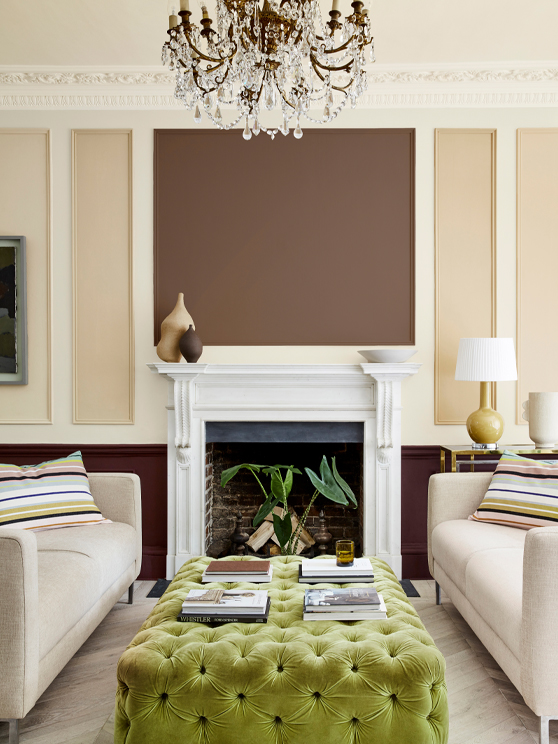
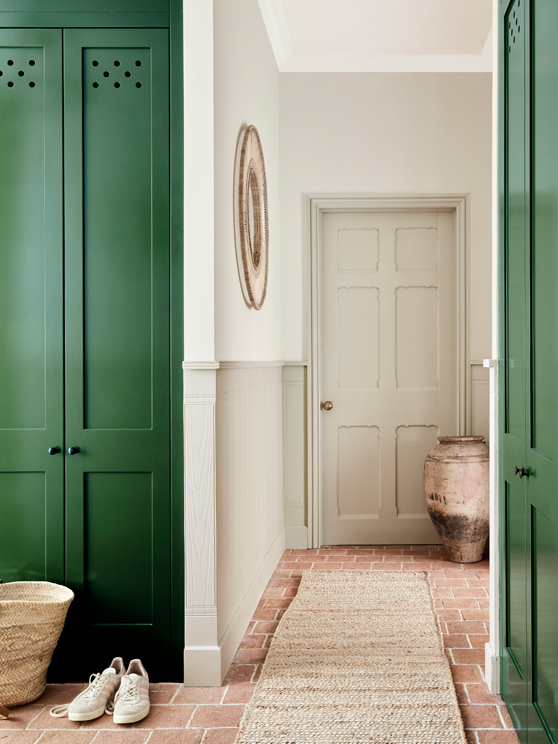
Ceiling: Portland Stone– Pale
Upper Walls: Portland Stone – Light
Chair Rail, Door & Trim: Portland Stone
Cupboard: Dark Brunswick Green
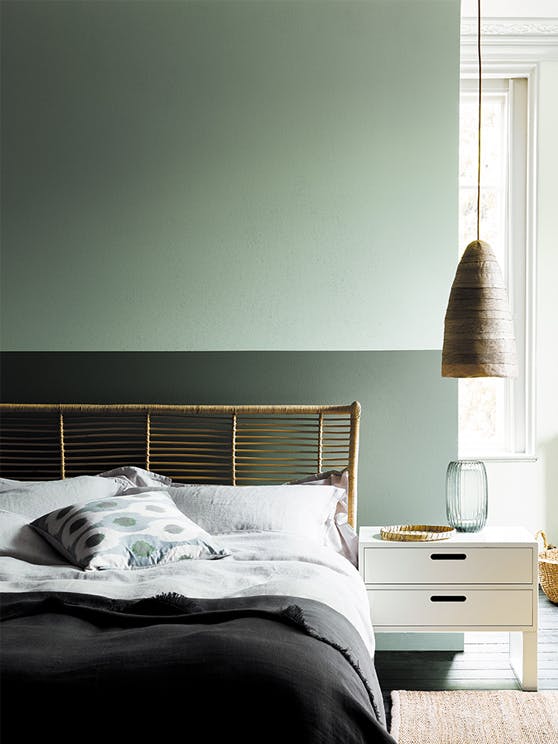
East Facing Rooms
If your bedroom or kitchen faces east, make the most of the morning light with a strong or radiant colour. Neutrals with a cool, blue or green undertone will help to create balance and will appear more subdued and restful in the evening light.